Australia’s Mission To Land A Rover On The Moon By 2026

Australia is aiming for the stars, launching a new campaign to land a locally developed rover on the moon by 2026. The Australian Space Agency has collaborated with NASA on the “G’Day Moon” campaign, which will see Australia’s first lunar mission make history and could lead to “a sustainable presence for humans on the moon.”
Enrico Palermo, the agency’s head, stated that the mission would be relatively simple, with the Australian rover collecting soil samples to determine whether or not oxygen could be extracted.
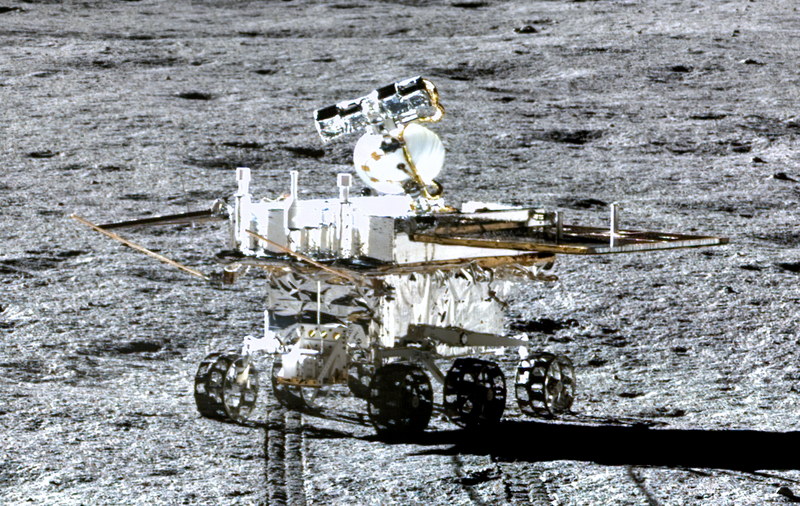
In the country’s first foray into lunar exploration, an Australian-built rover will visit the Moon as early as 2026.
Australia has agreed to collaborate with NASA on the development of a small rover capable of collecting lunar rock and dust and delivering it to a NASA moon lander.
The lunar soil, known as regolith, is expected to contain oxygen in the form of oxide, and NASA plans to extract oxygen from the samples using separate equipment. “This is a critical step toward establishing a long-term human presence on the Moon, as well as supporting future missions to Mars,” the Australian government said in a statement.
The agreement is part of Australia’s Moon to Mars initiative, which includes a contribution of $50 million ($37 million).
“For Australia, this is lunar history. “We’re going to see Australian businesses and researchers design and build a rover that’ll go to the moon and do some interesting science,” Enrico Palermo, the head of Australia’s Space Agency, told Australia’s “Today” program “Television show about breakfast.
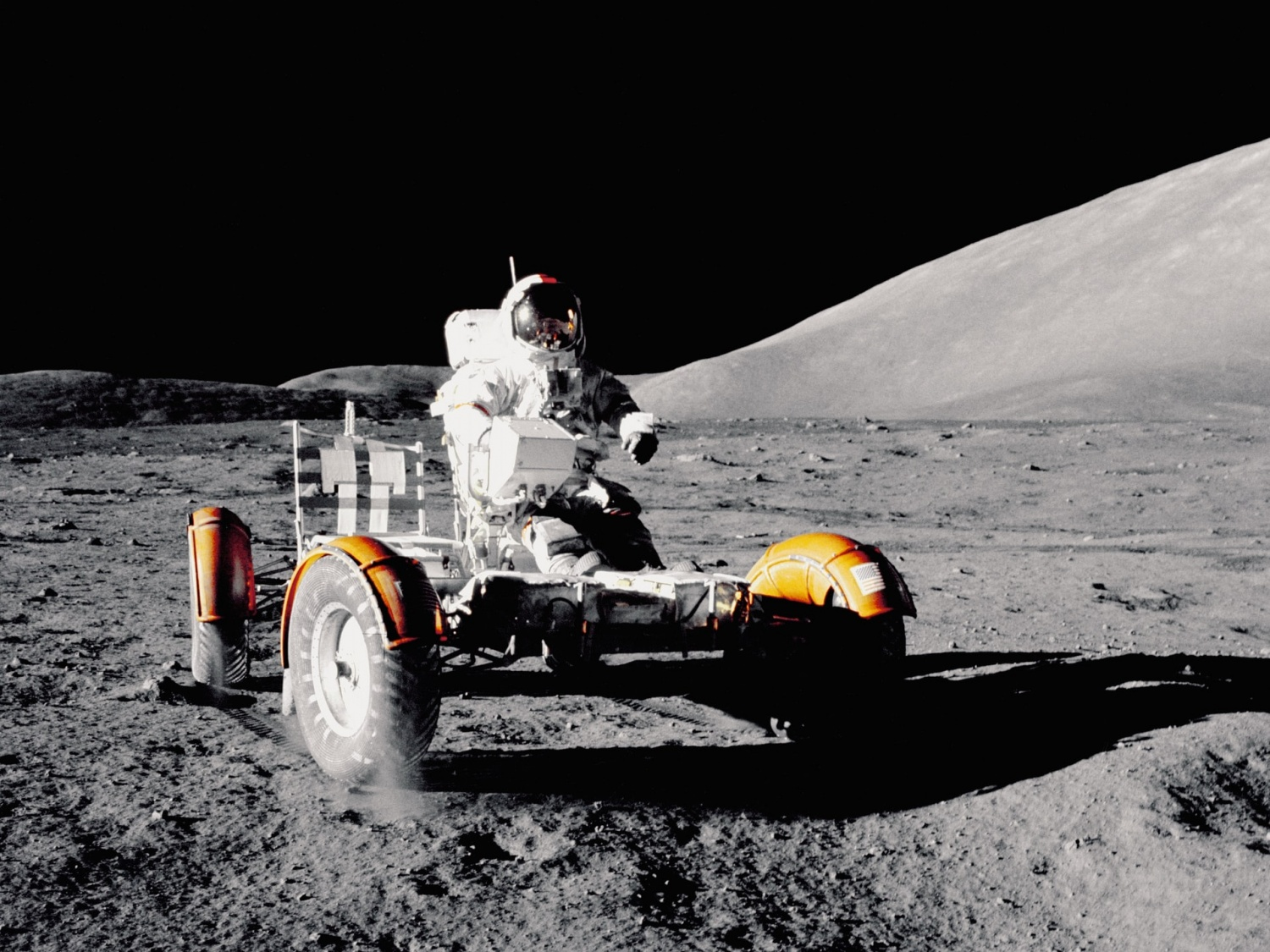
The G’Day Moon campaign could result in an Australian rover landing on the moon’s surface by 2026.
He told Today that Australia was a key player in NASA’s Artemis Mission, which will see the first woman and person of color walk on the moon.
He stated, “This is an investment in our planet, in caring for our planet, and in understanding our planet.”
“By launching our national mission, Australia is transitioning from a pure consumer of space technology to a global contributor, which is a remarkable, exciting, and historic moment.”


Comments
Post a Comment